
Discover the Latest Luggage Trends, Designs & Insights from OMASKA
Stay ahead of the market with OMASKA’s official blog — your go-to source for the newest backpack and luggage designs, smart manufacturing innovations, and global bag industry trends. From custom product highlights to expert sourcing tips, we share valuable insights tailored for B2B buyers, distributors, and international luggage brands.

Remote Factory Audit Guide: Verify Bag OEM Suppliers Without Visiting China
This B2B guide gives brands and importers a structured remote factory audit workflow for verifying OEM bag and luggage suppliers without visiting China. It covers desktop document verification using the Chinese business license and ISO 9001/BSCI scope review, a continuous live video walkthrough to expose borrowed factories, remote QC process checks for bag-specific testing and AQL reporting, and a technical questioning framework that separates real manufacturers from middlemen. Includes a request-list script, red flags vs green flags, and next-step sample approval guidance.
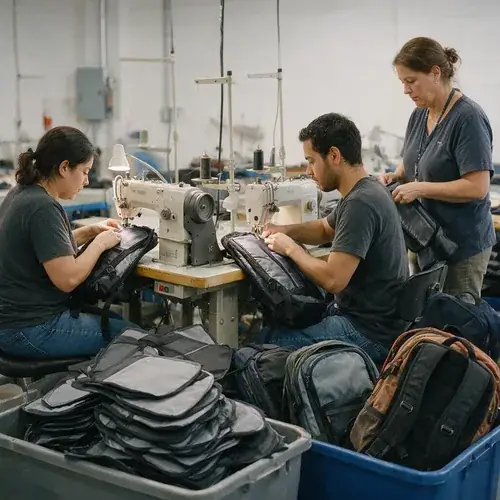
Bag Manufacturing Lead Time: How to Prevent Delays in Bag Production
A practical B2B framework for controlling bag manufacturing lead time. It breaks down the pre-production stages where delays typically occur—material procurement, sampling, PP sample approval, factory scheduling, packaging, and inspection—and separates buyer-caused from supplier-caused risks. Procurement teams get a stage-by-stage timeline, delay prevention actions, a supplier verification checklist, and an RFQ checklist to lock specifications before bulk production. The guide helps importers, brand owners, and marketplace sellers protect launch windows without making unrealistic production promises.

Bag Prototype Cost: Sampling Fees, Mold Charges & Buyer Expectations
For B2B buyers planning custom bag development, this guide explains why bag prototype cost is usually 3 to 8 times the bulk unit price and where sampling budgets actually go. It distinguishes structural prototypes from pre-production gold samples, shows when mold and setup fees are justified, and clarifies which costs may be refundable. The guide also covers material MOQ effects, custom hardware tooling, supplier verification questions, and ways to avoid paying for the wrong prototype.
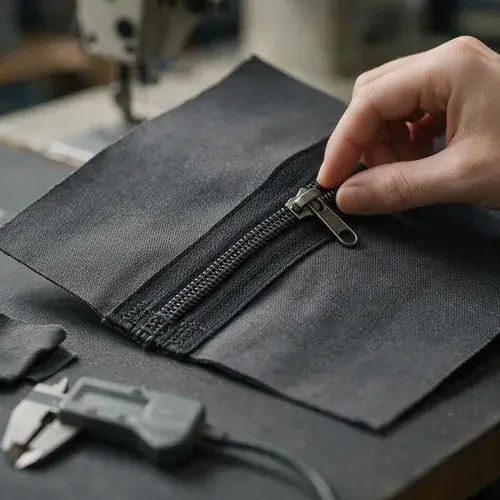
Heavy Duty Bag Zippers: Coil vs Resin vs Metal Selection Guide
This B2B guide helps buyers match heavy duty bag zippers to real load conditions, bag structures, stress zones, and environmental exposure. It compares coil, resin, and metal zipper construction for luggage, backpacks, tool bags, duffels, and tactical bags, and explains why tooth material alone does not determine durability. Buyers receive a practical RFQ checklist, QC testing methods, and sampling requirements to reduce zipper failure and return risk before bulk production.
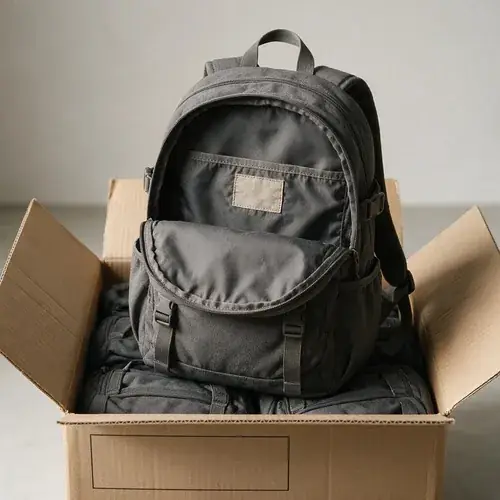
Bag Customs Clearance: How Importers Prevent Holds & Compliance Errors
This B2B guide explains how bag importers can make shipments customs-ready before the PO and before loading. It covers common customs holds, required customs clearance documents, US and EU labeling rules, country-of-origin tags, material fiber labels, CPSIA testing for children’s bags, FDA food-contact requirements for cooler bags, and zipper hardware compliance. The article defines Importer of Record responsibilities across Incoterms and provides a final pre-shipment customs verification checklist, RFQ gate questions, and supplier-proof requirements to prevent port delays, demurrage, relabeling costs, and compliance flags.

Custom Handbag Manufacturer Guide: Material Selection, Sampling & Risk Control
This B2B guide walks fashion brands and sourcing managers through the complete custom handbag manufacturing process: selecting top-grain leather, microfiber PU or heavy canvas; coordinating plated hardware with REACH compliance in mind; managing pattern making, first prototypes and pre-production samples; and enforcing handbag-specific QC checkpoints such as edge paint inspection, handle pull tests and stitching tolerances. It closes with a structured RFQ checklist so brands can request accurate, quote-ready supplier responses.
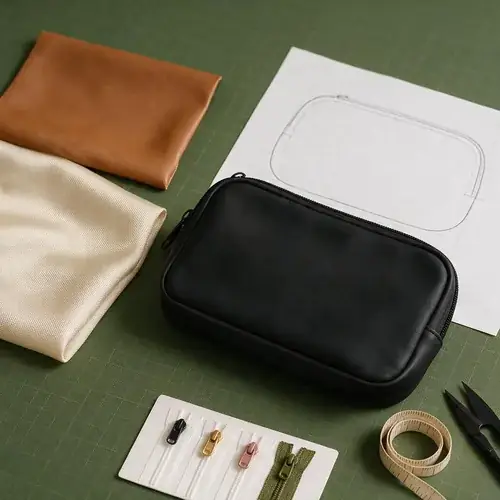
Makeup Bag Manufacturer Guide: Cosmetic Pouch Materials & Leak Resistance
This sourcing guide helps beauty brand buyers choose the right cosmetic pouch materials, specify wipeable and leak-resistant linings, design anti-collapse structures, and set AQL QC standards before requesting quotes. It compares PU, nylon, canvas, quilted, and clear TPU/PVC options, explains why thin PVC fails and how to define spill tests without overclaiming. It also covers OEM vs. stock decoration, tech pack requirements, zipper stress points, brush loops, and the RFQ checklist needed to avoid return-prone bulk orders.
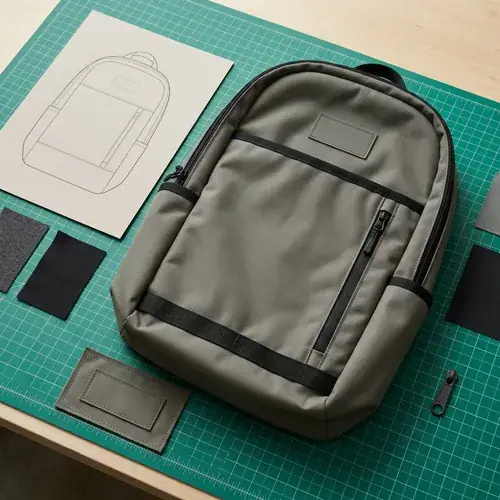
Bag Sample Approval Checklist: What B2B Buyers Must Verify Before Mass Production
This structured guide walks B2B buyers through a bag sample approval checklist that prevents bulk-production mismatches. It explains the difference between prototype, pre-production sample, and golden sample, then details exactly what to verify on dimensions, materials, logo execution, hardware, stitching, and packaging before PO release. It includes revision-tracking practices, supplier confirmation points, and common mistakes that lead to costly claims and marketplace review risk. Buyers can use it to build a documented sample sign-off workflow and lock production conditions before the factory cuts bulk fabric.
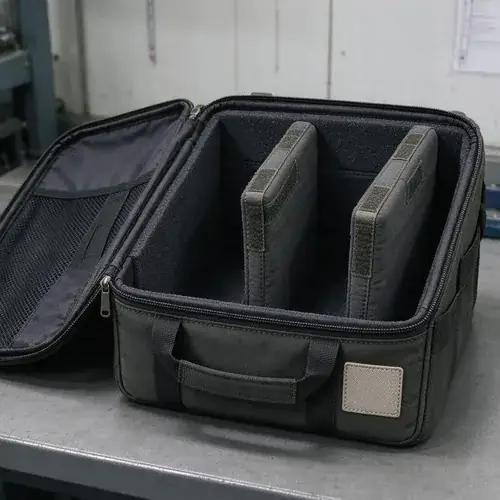
Instrument Carrying Case Manufacturing: Foam Density, Divider Layout & Sample Testing
This B2B guide helps electronics brands and sourcing teams specify a drone backpack as an equipment protection system, not a standard camera bag. It compares thermoformed EVA shells with soft-shell PE board construction, explains zone mapping to isolate LiPo batteries from gimbals and IMUs, and defines foam density and divider requirements. Readers get a pre-production fit-test checklist, RFQ inputs, and supplier verification prompts to reduce transit damage and sample rejection before bulk production.
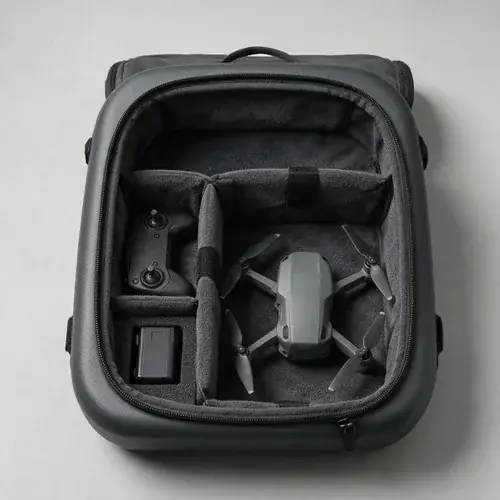
Drone Backpack Design Guide: EVA Protection, Divider Systems & Fit Testing
This B2B guide helps electronics brands and sourcing teams specify a drone backpack as an equipment protection system, not a standard camera bag. It compares thermoformed EVA shells with soft-shell PE board construction, explains zone mapping to isolate LiPo batteries from gimbals and IMUs, and defines foam density and divider requirements. Readers get a pre-production fit-test checklist, RFQ inputs, and supplier verification prompts to reduce transit damage and sample rejection before bulk production.
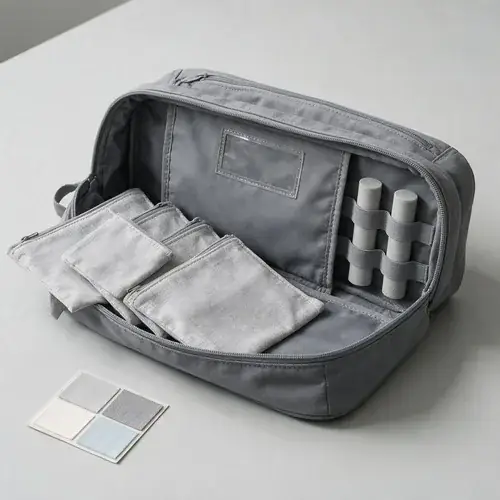
Medical Organizer Bag: Non-Sterile Materials, Layout & Wipe-Clean Linings
This B2B sourcing guide helps healthcare, EMS, and first-aid buyers evaluate a medical organizer bag before sampling and bulk production. It covers non-sterile terminology boundaries, workflow-based layouts, wipe-clean lining materials and seam construction, zipper and reinforcement durability, QC checkpoints, packaging and barcode risks, and RFQ inputs. Buyers can use the comparison tables and sample approval checklist to reduce supplier mismatches and avoid unsupported sterile or waterproof claims.
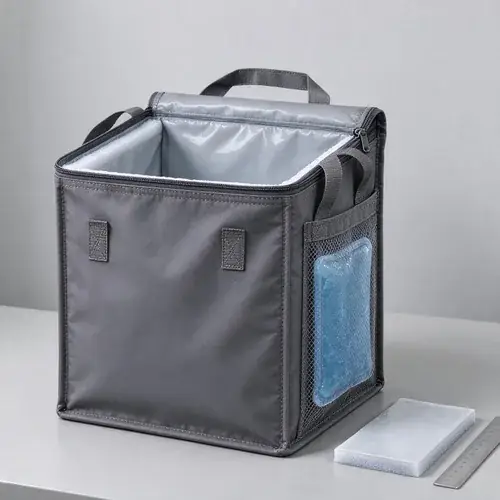
Cold Chain Delivery Bag Sourcing Guide for Grocery & Pharmacy Programs
This B2B guide helps grocery and pharmacy delivery operators evaluate cold chain delivery bags before supplier approval. It covers material and insulation selection, wipe-clean liners, ice pack and PCM compatibility, packing methods that affect thermal stability, and compliance-safe wording. Buyers also get QC checkpoints, sample-approval steps, and an RFQ checklist for reusable insulated delivery programs. The article focuses on operational requirements, not consumer cooler features, and explains what suppliers must confirm in writing to reduce spoilage, sanitation, and compliance risk.
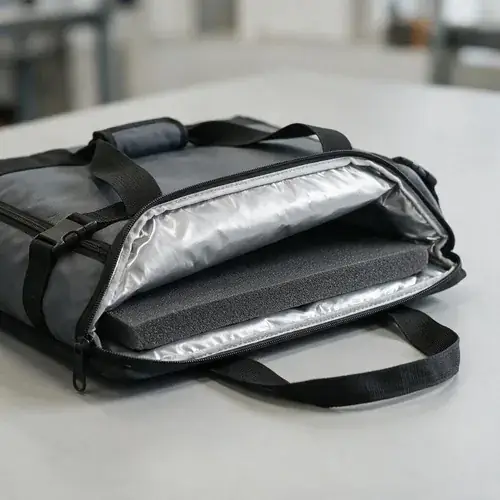
Pizza Delivery Bag Design Guide: Thermal, Stack Capacity & Cleaning Specs
This B2B guide explains how pizza box dimensions, stack height, insulation foam, liners, seam construction, and cleaning cycles determine commercial pizza delivery bag performance. Buyers learn to specify route-driven thermal retention, steam management, reinforced stack support, leak-resistant seam choices, and pre-production QC checks. It includes an RFQ checklist and common sourcing mistakes so restaurant chains, distributors, and private-label buyers can evaluate an insulated pizza bag manufacturer with operationally accurate requirements instead of generic claims.
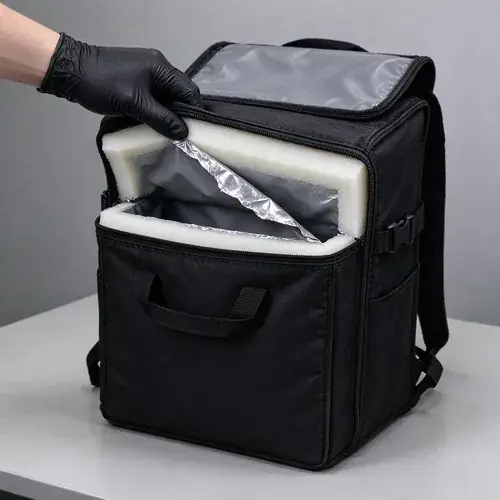
Food Delivery Backpack Sourcing Guide: Insulation, Rider Comfort & QC
This B2B sourcing guide helps restaurant chains, delivery platforms, and dark kitchen buyers evaluate commercial food delivery backpacks before rollout. It compares thermal stack construction, closed-cell foam options, leak-resistant seam methods, liner materials, rider ergonomics, branding durability, and pre-deployment QC checkpoints. Readers can use the RFQ checklist and pilot testing framework to reduce replacement rates, confirm sample-to-bulk consistency, and avoid generic insulated-bag claims that fail in delivery fleets.
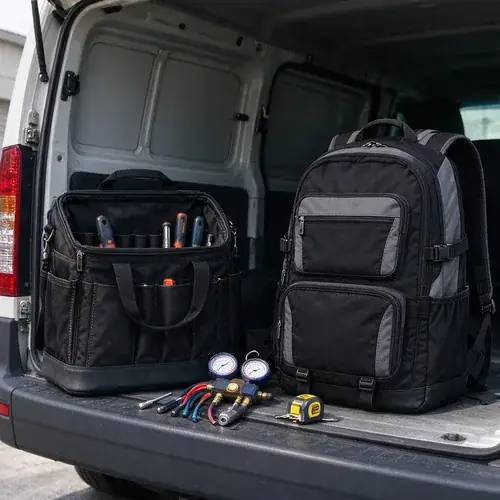
HVAC Tool Bag vs Technician Backpack: Which Design Fits Field Service Programs?
This B2B field-service bag guide compares open-top HVAC tool bags and technician backpacks for distributors, private-label brands, and service fleet buyers. It explains when each format fits short-distance calls, long walking routes, and ladder access, then examines base reinforcement, strap anchors, zipper durability, and tool-pocket layouts. Readers get workflow-first selection criteria, material tradeoffs, QC checkpoints, and an RFQ checklist to reduce sampling errors and replacement risk before committing to bulk production.
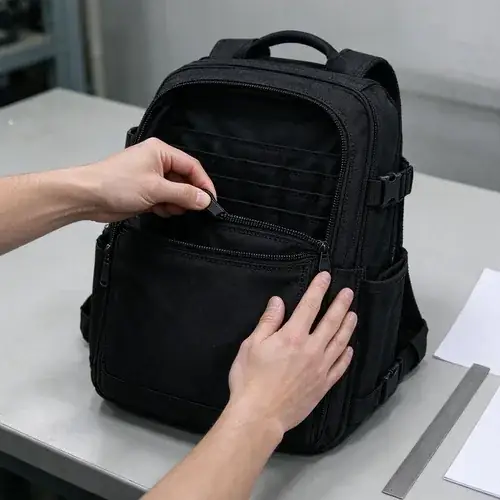
Electrician Tool Backpack Guide: Load Rating, Pocket Layout & Reinforcement
This B2B engineering guide helps industrial buyers and private-label brands source an electrician tool backpack that survives heavy field-service use. It covers how to define a realistic loaded-weight target, map pocket zoning around real electrician tool workflows, choose between 1680D fabrics and molded or board-supported bases, and specify reinforcement at stress points. The article also details QC stress testing, pre-production validation, and RFQ requirements so buyers can reduce warranty claims, avoid redesign cycles, and hold suppliers accountable to production-quality standards after sampling approval.

Custom Handbag Manufacturer Guide: Materials, Sampling & Risk Control
This guide helps fashion brands, product managers, and private-label buyers source a custom handbag manufacturer with clear material, structure, and QC expectations. It covers leather and vegan material selection, hardware plating and stiffeners, the handbag sample development process from tech pack to pre-production sample, measurable QC checkpoints, and supplier RFQ questions. Readers learn to avoid common defects such as edge paint peeling, shape collapse, and tarnished hardware before approving bulk production.
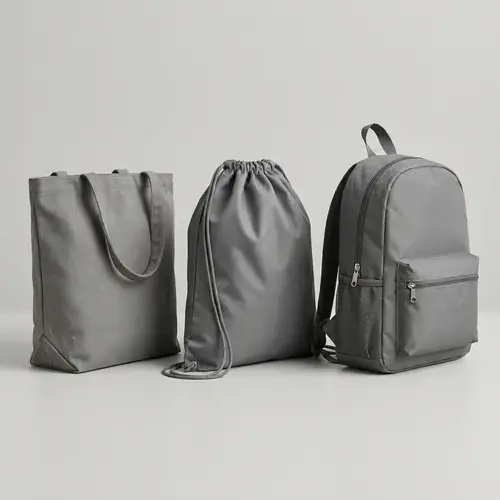
Event Swag Bags & Conference Bags: Fixed-Deadline B2B Sourcing Guide
A B2B procurement guide for sourcing event swag bags and conference bags under fixed event deadlines. It covers format selection by attendee profile, material trade-offs across non-woven, polyester, canvas and RPET, logo application methods, and handle reinforcement. Buyers get packing and kitting workflows, pre-production sample and QC checklists, supplier verification questions, an RFQ brief, and common failure points. The goal is to prevent late deliveries, broken handles, and sponsor complaints while keeping unit cost and inventory handling under control.
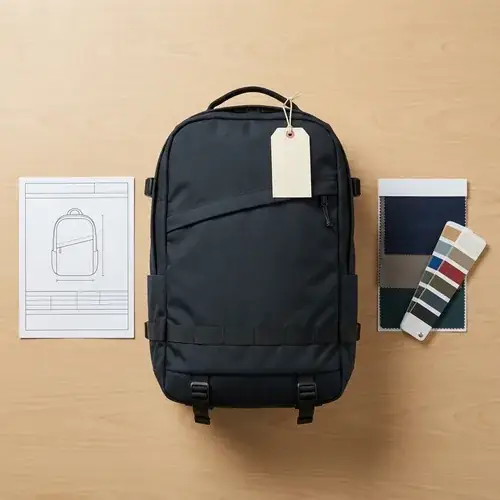
Bag Sample Approval Checklist for B2B Buyers: Verify Before Mass Production
This B2B sample approval guide gives procurement teams a structured process for reviewing pre-production bag samples before mass production. It covers physical dimensions and capacity fit, material and hardware verification against the bill of materials, logo durability and placement, stitching and reinforcement checks, and packaging compliance. The article explains how to document revisions, seal a legally binding golden sample, and avoid the most common sample approval mistakes. Written for custom bag, backpack, and luggage buyers, it helps convert supplier samples into a reliable bulk production standard without relying on visual inspection alone.

Instrument Carrying Case Guide: Foam Density, Dividers & Sample Testing
This B2B sourcing guide explains how to specify an instrument carrying case that protects sensitive equipment in transit. It covers closed-cell PE foam and open-cell PU foam density selection, divider architecture for heavy accessories, handle and zipper reinforcement, and pre-production sample testing. Buyers learn what to check in loaded fit photos, pull tests, and RFQ preparation before bulk manufacturing. The article also lists common warranty risks and supplier evaluation questions to confirm in writing.

Drone Backpack Design Guide: EVA Protection, Divider Systems & Fit Testing
This B2B guide helps electronics and accessory brands evaluate molded EVA versus soft-shell drone backpack construction, specify foam density and Shore C targets, plan modular divider systems, and define loaded fit testing before production. It covers battery isolation, zipper clearance, pre-production sample evidence, and RFQ data fields that reduce quote ambiguity. Written for product managers and sourcing teams preparing a drone carrying case or electronics carrying case program, not for consumer buyers comparing retail backpacks.

Medical Organizer Bag Manufacturing: Non-Sterile Materials, Layouts & QC
This B2B sourcing guide for medical organizer bag programs helps healthcare procurement teams and EMS distributors specify non-sterile outer shells, wipe-clean linings, and seam finishes that withstand field use. It covers material comparison between 1680D nylon and polyester, four-zone layout planning, removable pouch customization, zipper and pouch QC checks, and RFQ inputs. Readers get a practical framework to avoid sterile terminology errors and sample-layout mismatches before bulk production.

Cold Chain Delivery Bags for Grocery & Pharmacy: Sourcing & Compliance Guide
This B2B sourcing guide helps grocery and pharmacy delivery teams specify a cold chain delivery bag that supports repeatable temperature control, hygiene, and compliance. It covers the difference between promotional coolers and program-grade thermal packaging, insulation and liner material selection, PCM and data logger integration, ISTA 7E/FDA FSMA considerations, and the RFQ details needed to compare suppliers accurately. The focus is on designing the bag as one validated component within a complete cold chain system.

Pizza Delivery Bag Design Guide: Heat Retention, Capacity & Sourcing Specs
This B2B guide helps restaurant chain buyers, food-service distributors, and OEM managers specify commercial pizza delivery bag performance before requesting quotes. It breaks down the three-layer insulation build, thermal retention versus steam venting to prevent soggy crusts, stack capacity sizing with box clearance, closure and seam durability, and cleaning SOPs for high-frequency routes. The article includes a stack-capacity sizing table, an RFQ checklist, supplier verification steps, and common sourcing mistakes, so procurement teams can compare technical samples against defined requirements rather than catalog claims.
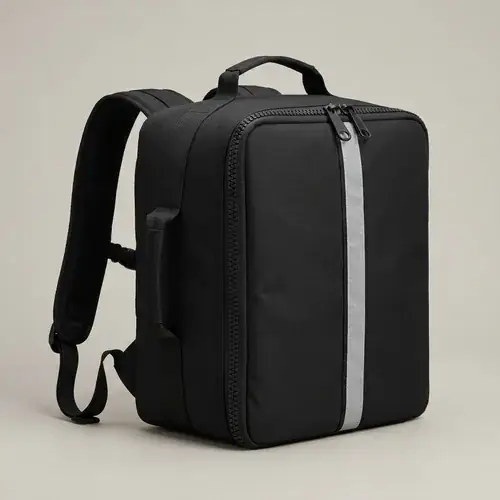
Food Delivery Backpack Sourcing Guide: Insulation, Leakproof QC & Comfort
This B2B sourcing guide helps procurement and fleet managers specify commercial food delivery backpack construction that holds temperature, contains spills, and survives daily rider use. It covers closed-cell foam insulation, RF-welded leakproof liners, EVA back panels, 1680D shell durability, fleet branding, and pre-deployment QC tests. Readers get a practical RFQ checklist and supplier verification framework to compare delivery bag manufacturers and reduce costly replacements before bulk rollout.
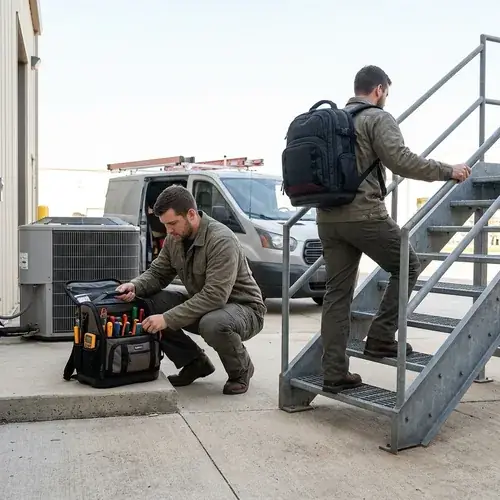
HVAC Tool Bag vs Technician Backpack: Sourcing Guide for Field Service Programs
HVAC tool bag vs technician backpack: this B2B sourcing guide compares open-top tool bags and wearable technician backpacks across real field workflows, ergonomic weight limits, pocket engineering, and base construction. Buyers get a structured framework to choose the right format for service routes, specify tool-list pocket sizing, evaluate molded-rubber versus PE/PP board bases, and prepare a professional RFQ with sample-testing criteria. Designed for distributors, private-label brands, and fleet managers outfitting industrial service teams.
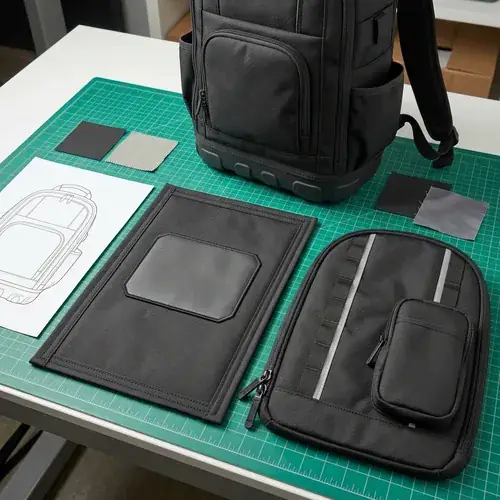
Electrician Tool Backpack Manufacturing Guide: Load & Reinforcement
Detailed B2B sourcing and manufacturing guide for electrician tool backpacks. Covers how to specify the right load rating for 50–100 lb tool kits, compare 1680D ballistic nylon and molded HDPE/rubber bases, design trade-specific pocket zoning, and require bartack, box-X, and webbing reinforcements at stress points. Also includes QC stress-testing criteria and an RFQ preparation checklist. Written for private-label brands, industrial distributors, and sourcing teams who need factory-ready specs that prevent field failures, concrete abrasion damage, and high tool-bag return rates.
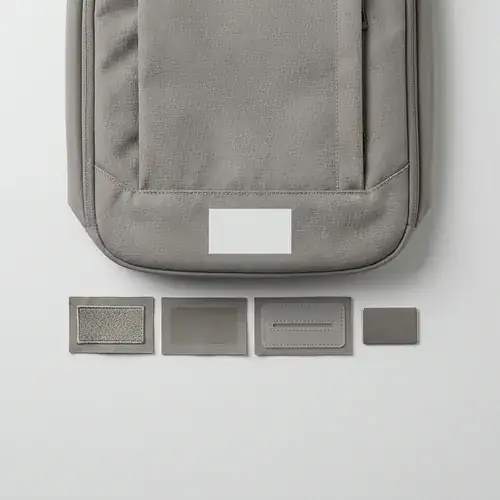
Custom Backpack Logo Methods Compared: Embroidery, Print, TPU & Metal
This B2B sourcing guide compares four custom backpack logo methods: embroidery, screen printing, TPU patches, and metal badges. It explains what each method is, how it interacts with common backpack fabrics, where it fits on the cost-versus-durability spectrum, and what setup costs or MOQ implications buyers should confirm before bulk production. The article provides a fabric compatibility table, Pantone matching guidance, and an RFQ/pre-production sample checklist to help procurement teams specify, quote, and approve logo placement with fewer branding failures.
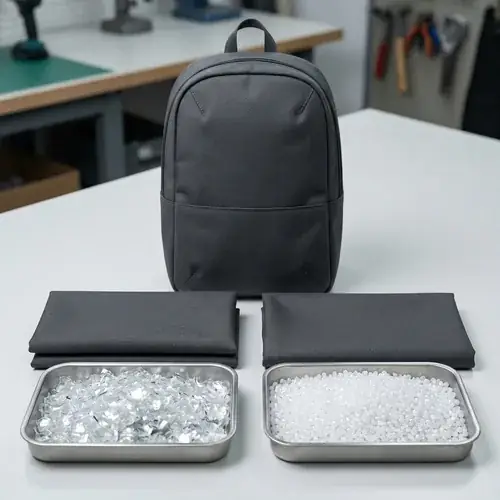
RPET vs Virgin Polyester Bags: Cost, Durability & B2B Sourcing Trade-Offs
RPET vs virgin polyester bags is a B2B sourcing decision built on cost, durability, dyeing consistency, and certification. This guide compares tensile and tear strength, Martindale abrasion cycles, raw-fabric cost premiums by recycled content tier, and MOQ/color tolerance risks. It explains GRS Scope and Transaction Certificates so buyers can verify recycled claims before ordering. Use the included RFQ checklist to specify denier, recycled percentage, and certificate requirements, and avoid the common mistake of treating fabric premium as a one-to-one final bag cost increase.

GRS Certification for Bags: How Buyers Verify Recycled Material Claims
A practical B2B guide to verifying GRS certification for bags before placing bulk orders. It explains the Global Recycled Standard, the 20% versus 50% recycled content thresholds, and the critical difference between facility-level Scope Certificates and shipment-level Transaction Certificates. Buyers will also learn how to spot greenwashing risks, estimate the cost impact of certified recycled bag materials, and write a supplier RFQ that makes TC documentation a non-negotiable delivery term. Includes a step-by-step supplier audit checklist and FAQ covering RCS versus GRS, TC fees, and logo rules.