
Bag Sample Approval Checklist: What B2B Buyers Must Verify Before Mass Production
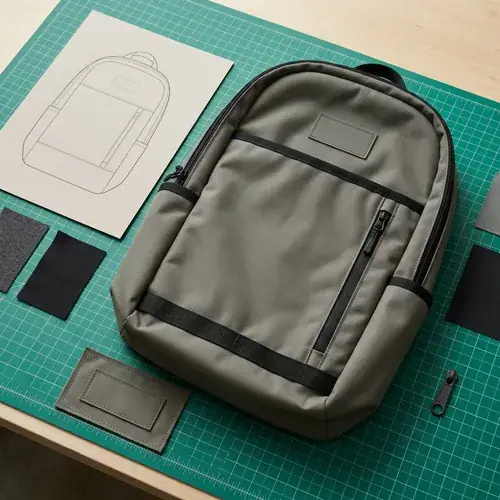
A bag sample approval checklist is a structured verification sequence you complete before releasing a purchase order. You're confirming that the final pre-production sample matches the approved tech pack in dimensions, materials, logo execution, hardware, stitching, packaging, barcode, and tested function. If any of those remain unverified, bulk production can lock the same mistake across an entire order.
The commercial risk isn't just rework. For Amazon sellers, retail brands, and distributors, an unapproved sample that slips into bulk can turn into returns, negative reviews, repacking charges, missed launch dates, and a warehouse full of inventory that doesn't match the listing or purchase contract. Visual approval alone is the weakest form of approval because it misses functional failures, hidden material substitutions, and packaging issues that only appear after packing.
This page gives you a buyer-ready workflow: separate prototype from pre-production sample from golden sample, verify each checkpoint in sequence, document every revision, and keep proof of approval before PO release. Treat approval as a risk-control process, not a formality.
Quick Answer: What Should Buyers Approve Before Bulk Production?
As a practical minimum, you should have five things locked before bulk production: a pre-production sample reviewed against the latest tech pack, a sealed golden sample, packaging and barcode proofs, buyer-defined functional or load tests where applicable, and a revision log showing every change was resolved.
Put simply, proceed only when:
- The production sample matches the current tech pack version and material BOM.
- The logo method, artwork version, placement, and color match the signed artwork.
- Hardware and functional components are confirmed by the supplier in writing.
- Packaging, barcode, hangtag, and carton markings have been approved separately.
- A final reference sample is labeled, signed or sealed, and archived for bulk QC comparison.
A visually acceptable bag can still fail if the packaging proof is missing or the supplier used an unapproved webbing color. That's why the sign-off must be documentary, not just a nod at a sample photo.
Scope of This Guide and When the Checklist Applies
This checklist applies to OEM and ODM bags and luggage before mass production release: backpacks, laptop bags, travel bags, duffels, school bags, cooler bags, promotional bags, and wheeled luggage. It covers sample-stage approval, not final shipment inspection, and it assumes you already have a quotation, a spec sheet, and a supplier you're moving toward a PO.
It does not cover general bag design, trademark filing, or deep import compliance. Those may be relevant in parallel, but the focus here is one question: what must be verified and signed off before the factory cuts bulk fabric?
The exact documents and tests depend on product type, target market, and channel. A promotional giveaway bag may need fewer checks than a laptop backpack sold on a marketplace with high return sensitivity. The sequence below can be simplified, but the approval logic should stay the same: confirm the reference, prove the details, lock the version, then release production.
Why Sample Approval Failures Create Expensive Bulk Risks
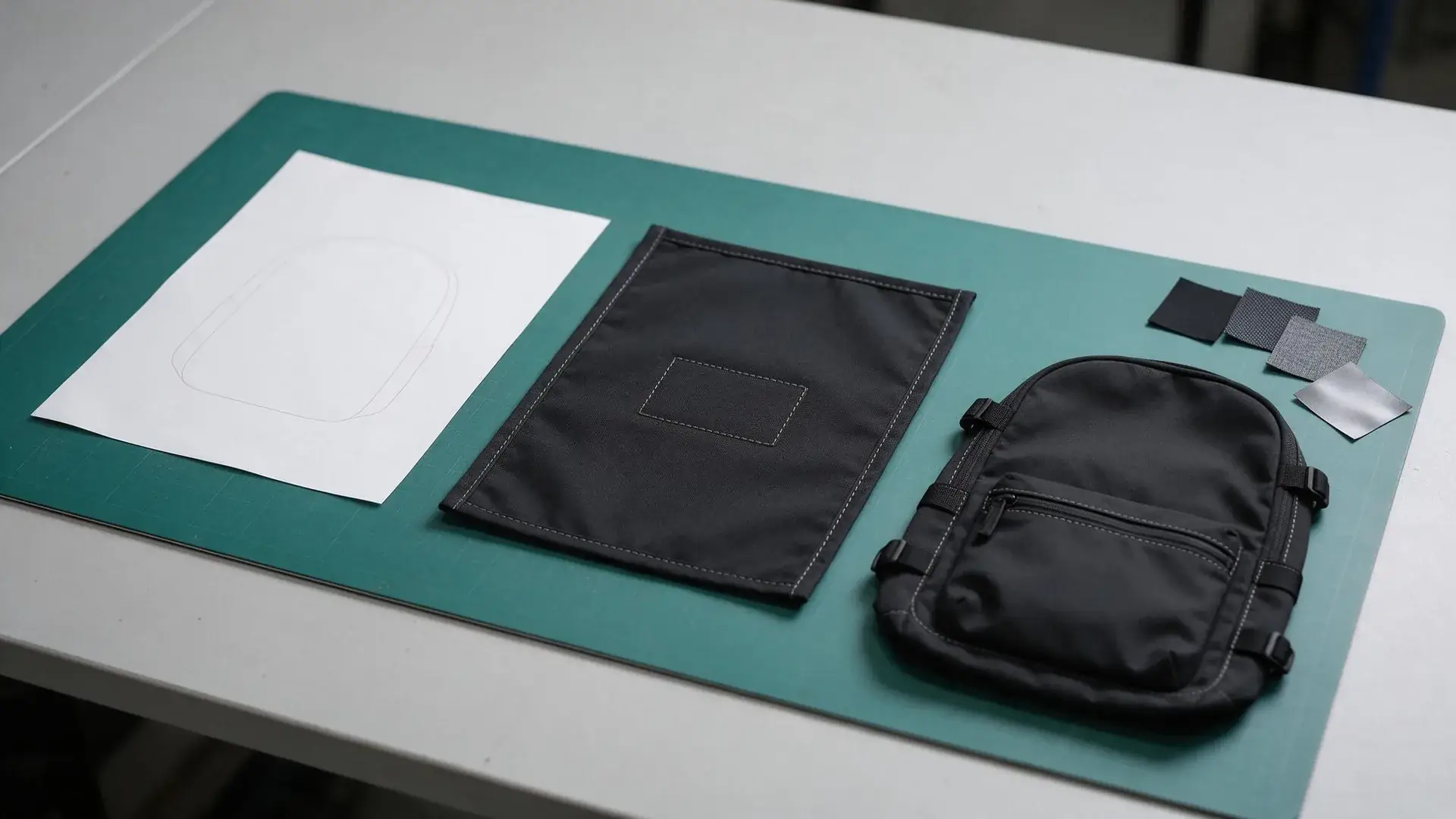
The core problem is that a pre-production bag sample often gets approved visually, by one person, without checking whether it was built from the materials and components the buyer actually ordered.
I've seen the same failure pattern too many times. One day the buyer approves a sample that looks and feels right. The factory then cuts bulk fabric from a different dye lot, uses a substitute zipper brand, or switches an unapproved lining because the approved lining had a longer lead time. Without a documented approval checklist, nobody catches the change until bulk goods arrive. By then the cost is no longer a sample revision; it's landed inventory, repacking, customer complaints, and for marketplace sellers, review risk that outlasts the shipment.
Another scenario is packaging. A bag may pass every product check but arrive with the wrong polybag thickness, a barcode placed on a curved seam so it does not scan, or cartons marked for the wrong destination. Those failures turn saleable inventory into a repacking project.
Below is a simplified risk view.
| Approval gap | Bulk risk | Business consequence if missed |
|---|---|---|
| No PPS against tech pack | Supplier builds from old specs | Wrong dimensions or construction across full order |
| Unverified material substitution | Different handfeel, weight, or durability | Listing mismatch, returns, buyer complaints |
| Logo approved only by artwork | Wrong placement or method on sample | Brand inconsistency, unapproved branding |
| Hardware not confirmed | Supplier uses available trim | Zipper or buckle failure risk later |
| No packaging proof | Barcode or carton errors | Marketplace rejection or repacking cost |
| No golden sample | Bulk cannot be compared to a locked reference | Supplier disputes over variation |
Prototype vs Pre-Production Sample vs Golden Sample
These three stages serve different purposes, and buyers often approve one of them at the wrong time.
A prototype is the first physical version. It confirms shape, construction approach, and whether the design can be made at all. A prototype is not normally the document to release bulk production.
A pre-production sample (PPS) is made under the intended bulk material and construction choices. It should be reviewed against the latest tech pack and the approved BOM. The PPS is the sample you use to approve production release after corrections are closed.
A golden sample is the final locked reference sample that includes every approved revision. It gets labeled, signed or sealed, and archived. Bulk units are compared against the golden sample during inline or final inspection.
| Stage | Purpose | What to verify | Production risk if skipped |
|---|---|---|---|
| Prototype | Prove design and construction feasibility | Shape, basic layout, pattern logic, initial logo idea | You approve a sample that was never made from bulk materials |
| Pre-production sample | Confirm bulk-ready details | Dimensions, material, color, logo, hardware, stitching, packaging | Undocumented substitutions and function defects go to bulk |
| Golden sample | Lock the final reference for QC | All revisions incorporated, label and sign-off complete | Supplier has no stable reference; bulk variation becomes an argument |
Don't treat factory sample photos as a substitute for the physical golden sample. Photos help short-term decisions, but they don't let you check handfeel, coating, zipper resistance, or packaging fit.
The Core Bag Sample Approval Checklist Before PO Release
This is the main working checklist. It's not enough to say "sample approved." Each line should have a documented result: pass, fail, pass with condition, or pending. The bag sample approval checklist becomes useful only when every critical item can be traced to a version number or supplier confirmation.
Most buyers don't need every check on every order. A simple drawstring bag may skip laptop compartment fit and load testing. A wheeled carry-on, a backpack with electronics compartment, or a cooler bag with leak-resistant liner should not skip those checks. If you need a deeper operational walkthrough of the same workflow, see Bag Sample Approval Checklist for B2B Buyers: Verify Before Mass Production.
Dimensions, Capacity, and Structural Layout
Before approving the sample, confirm that the bag matches the spec sheet in linear dimensions. Where tolerance is quoted, that tolerance must be buyer-defined and stated in the tech pack, not applied quietly by the factory after the fact.
Check these items:
- Body length, width, and depth, with the bag empty and under normal shape.
- Laptop compartment size and whether the intended device model actually slides in without forcing.
- Pocket layout position and usable opening width.
- Interior divider or organizer alignment.
- Strap attachment points and reinforcement placement.
- Handle height and drop length.
A laptop compartment specified as fitting a 15.6-inch laptop should be tested with an actual 15.6-inch device or a correctly sized dummy, not just measured empty. Some bags measure correctly flat but become too tight once padding and lining are sewn in.
Material, Color, and Surface Consistency
Material approval is one of the biggest failure points because factory sourcing can change between sampling and bulk. Ask the supplier to confirm in writing that the PPS fabric, lining, foam, and webbing match the approved BOM.
What to check:
- Fabric handfeel and weight against the approved swatch.
- Coating or backing difference on polyester, nylon, RPET, PU, or canvas.
- Lining color and texture match.
- Webbing color and stiffness.
- Pantone or lab dip approval against the signed color standard.
- Surface consistency: scratches, coating cracks, print adhesion, or lamination defects.
One warning: RPET or recycled material claims should not be approved on the sample alone. If you're claiming recycled content on a label or listing, confirm whether GRS documentation or an equivalent chain-of-custody record is required for your market. Color approval is another area where a separate decision framework helps. If the fabric color is still being settled, use the Color Mistakes in Bag Production: Pantone Issues, Fabric Dyeing & Print Quality Guide for Buyers before bulk cutting.
Logo Execution and Branding Accuracy
Logo failure is preventable but common. The approved sample must show the logo in the exact artwork version, method, placement, size, color, and orientation that will run in bulk.
Ask these questions before signing:
- Is this print, embroidery, patch, debossed PU, woven label, or transfer?
- Does the logo position match the tech pack measurement?
- Does the logo appear straight when the bag is hanging or worn, not only when flat?
- Is the logo legible at actual size and at the expected viewing distance?
- For embroidery, are stitch fill, backing, and thread color acceptable on this fabric?
- For print, does the surface bond hold without cracking on flexible or coated fabric?
Logo durability should be tested with a buyer-defined repeat flex or adhesion check, especially on nylon or coated surfaces. If the logo placement or method is still open, review the logo-specific sourcing questions in the Custom Backpacks with Logo: What B2B Buyers Should Confirm Before Ordering before approving the PPS.
Hardware, Zippers, and Functional Components
Hardware is where suppliers sometimes use available stock instead of approved trims unless you stop it. Confirm the zipper type, gauge, slider movement, buckle brand or equivalent, D-rings, bottom studs, wheel housing, trolley handle, and frame material where relevant.
What to check:
- Zipper opens and closes without catching or sharp turns.
- Slider does not slip open when the bag is pulled.
- Handle and strap attachments are reinforced.
- Wheel alignment and axle rotation look balanced.
- Trolley handle locks and extends with reasonable play.
- Hardware color and finish match the approved sample.
Be precise about moisture resistance. A coated or reverse coil zipper may be moisture-resistant, but that does not make a bag watertight. If you're buying a cooler or outdoor bag marketed for liquid contact, ask the supplier what water resistance or leak resistance claim is actually verified and under what test condition. If a performance statement isn't documented, don't carry it into your listing.
Stitching, Reinforcement, and Load Testing
Stitching determines whether the bag survives normal use. The sample should not only look neat; stress points should be reinforced in the same way you expect in bulk.
Inspect these areas:
- Strap attachment points and bartacks.
- Handle base and cross seams.
- Zipper insertion lines and binding.
- Lining around laptop dividers.
- Trolley bracket and wheel wells for luggage.
- Elastic or mesh pocket edges.
Stitch density and seam allowance should be in the tech pack as buyer-defined targets, not improvised by the factory. For load-bearing bags, request a simple loaded pull or suspension test with a clearly defined weight, hold time, and acceptance condition. ASTM D5034 or D5035 may be used as optional industry test references for fabric breaking strength, but only if your product and market actually require them.
Packaging, Barcode, and Carton Approval
Packaging approval is often left until after production, and that mistake creates shipment risk. Approve the packaging before releasing the PO, not after goods are packed.
Verify these before production starts:
- Polybag thickness and warning print if required by channel or region.
- Hangtag design and attachment point.
- Barcode label position and scan quality.
- Carton size, count, and shipping mark.
- FBA or marketplace packaging compliance if applicable.
- Whether the bag shape distorts the barcode when polybagged.
A barcode printed on a curved fabric seam may be unscannable. Test the actual packaged unit with a barcode scanner, not just a visual check. Carton strength also matters because marketplace returns often increase when cartons collapse in transit.
How Buyers Should Document Revisions and Final Sign-Off
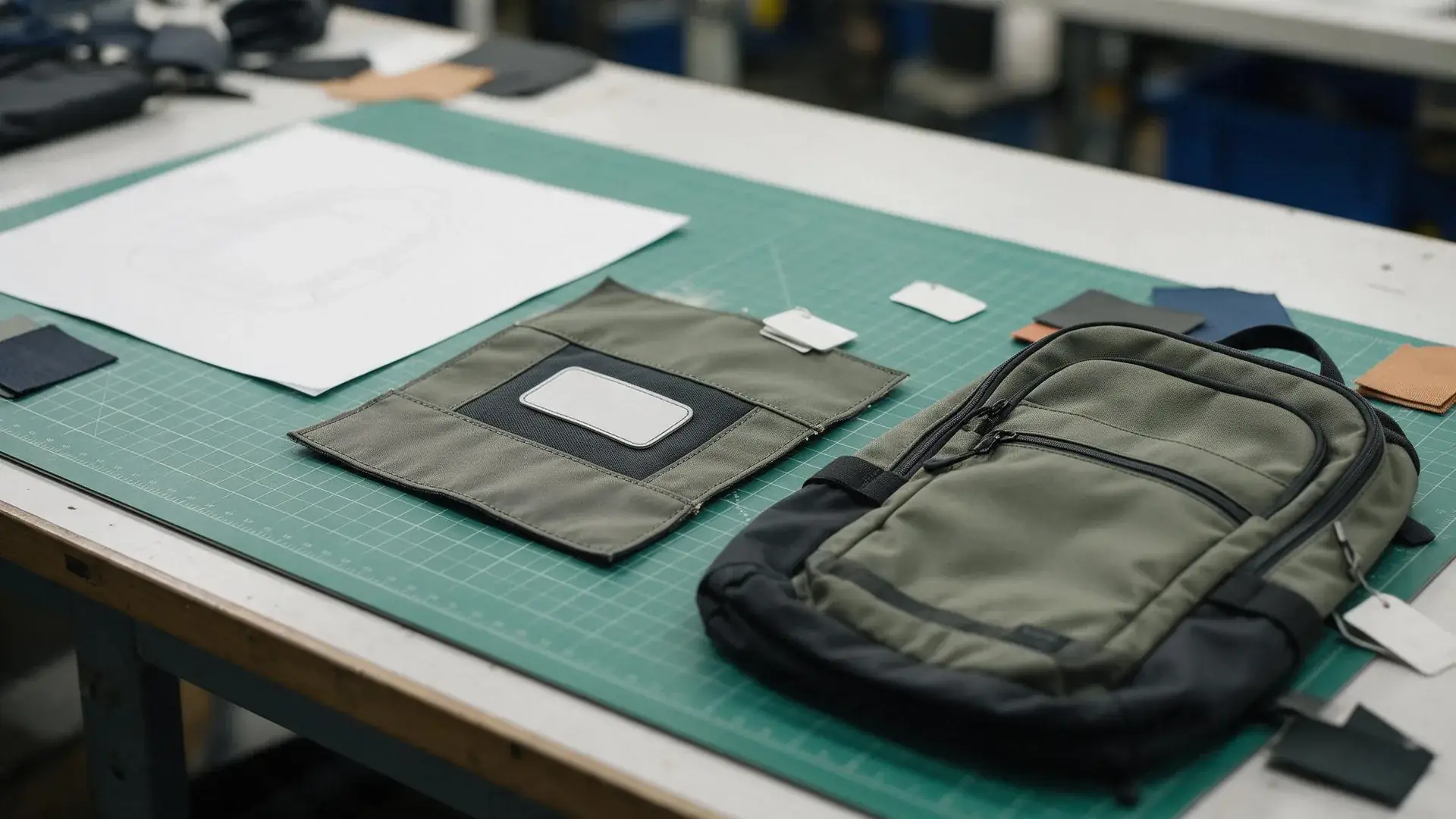
The goal of documentation is not bureaucracy. It's to freeze the version that production will cut. If a change is made after PPS, it must be traceable.
A workable revision record includes:
- Tech pack version number and change date.
- Sample revision number and photos.
- Waiver or conditional approvals in writing.
- Supplier confirmation of changed material or trim.
- Marked photos showing what was changed.
- Final sign-off name, date, and approval scope.
Don't accept an email that simply says "new sample better." Require the supplier to confirm exactly what changed, which component changed, and which version now controls production. If multiple people approve, define who can release production: brand owner, product manager, designer, or agent. Multi-party approval often creates delays when everyone assumes someone else signed.
A golden sample should be labeled with buyer and order code where practical, then sealed or tagged so it can't be confused with a later random sample. Some buyers also keep a duplicate golden sample with the supplier and keep a sealed reference in their own office. The point is to remove ambiguity about which sample is the official standard.
Here is a copyable pre-production sign-off summary:
| Field | Confirm or fill in |
|---|---|
| Tech pack version | Current version number and date |
| Material swatch approved | Yes / No / Conditional |
| Color standard approved | Pantone / lab dip / master sample |
| Logo artwork version | Artwork file name and date |
| Logo method and placement approved | Yes / No |
| Hardware and trims confirmed | Supplier written confirmation |
| Packaging proof approved | Polybag, hangtag, barcode |
| Barcode scan tested | Pass / Fail / Pending |
| Load or functional test requirement | Buyer-defined weight and condition |
| Golden sample sealed and archived | Yes / No |
| Production release authorized by | Name and date |
What Suppliers Should Confirm Before Bulk Production Starts
Before PO release, get written confirmation from the supplier on the production conditions that affect consistency. A verbal "no problem" is not an approval record.
Ask the supplier to confirm:
- Material availability for the bulk quantity and target delivery window.
- Whether any trim, hardware, or lining must be substituted from the approved sample.
- QC checkpoint plan: inline, final inspection, and sampling level.
- Packaging and carton specifications as approved.
- Handling of any conditional approval items.
- Whether compliance documents are needed for the target market.
- Who will manage production communication if the original salesperson changes.
If the supplier proposes a substitute, don't accept "same quality" language. Ask for the replacement component spec, a small comparison swatch or photo, and a written confirmation that the substitute will be used in the next sample revision or the first bulk piece if time is critical.
Common Bag Sample Approval Mistakes Buyers Still Make
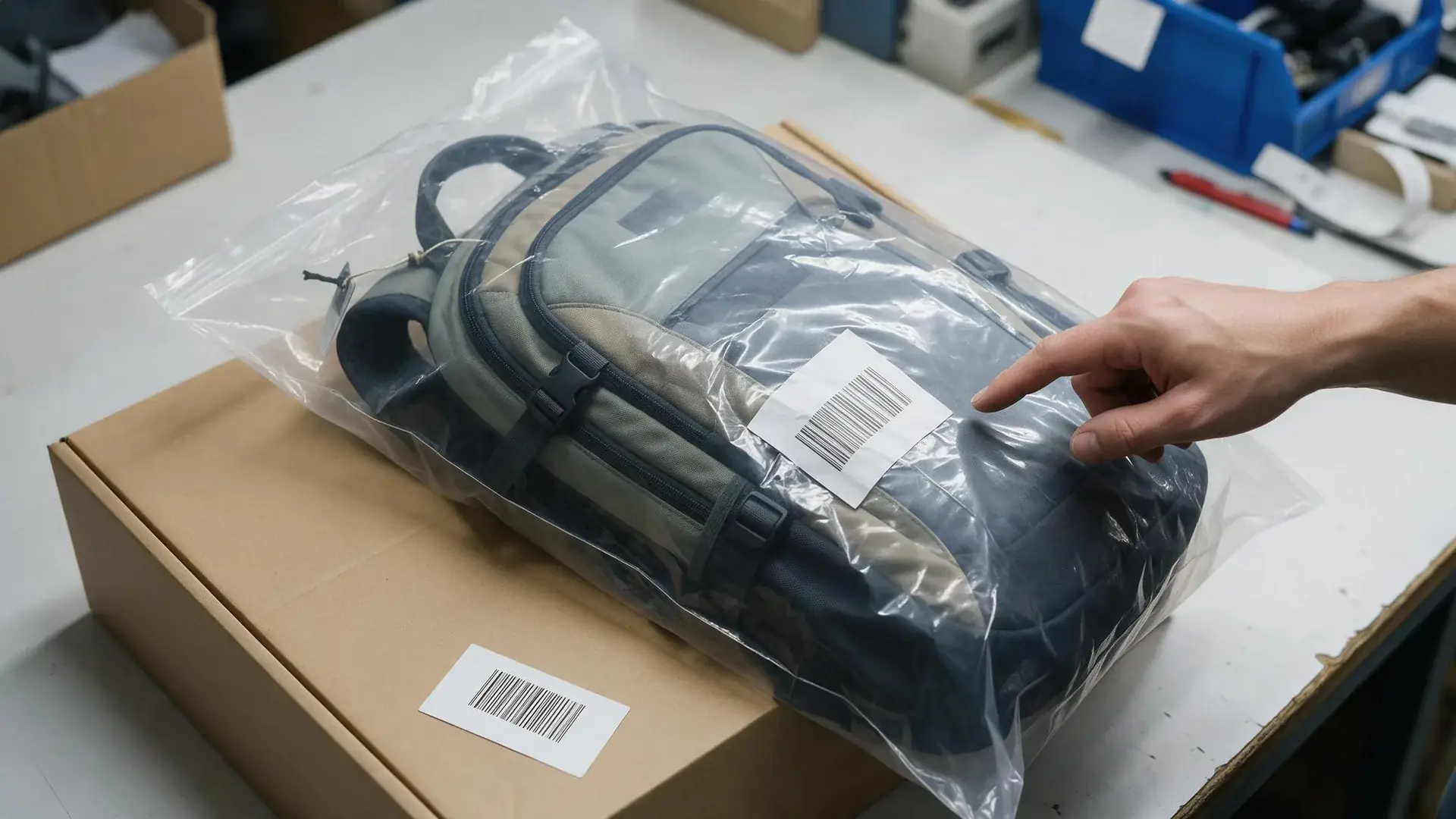
Buyers usually make these mistakes because approval is rushed at the end of a long development process. The fixes are simple, but they require discipline.
- Approving from photos only: a photo hides handfeel, weight, zipper tension, and packaging fit.
- Missing packaging proof: product approval and packaging approval are different decisions.
- No revision tracking: the supplier changes one trim and the buyer can't prove which sample was final.
- Approving with informal notes: "color slightly darker" without a measured standard is not an approval boundary.
- Skipping load or pull testing: the bag looks strong but the handle attachment was not tested.
- Using prototype approval as production approval: the prototype may have used different fabric or hardware.
- Not verifying barcode scanning: a visual barcode can still fail at the warehouse.
- Assuming sample quality equals bulk consistency: sample control only works when a golden sample and QC standard exist.
- Allowing multiple approval channels without a final sign-off owner: delays and conflicting instructions appear later.
- Signing before all conditional points are closed: conditional items should have a named owner and deadline, not remain open.
These are the same patterns behind many sample-order problems. If the approval process feels loose, the Sample Order Mistakes in Bags and Luggage: What B2B Buyers Should Avoid Before Bulk Production can help you tighten the earlier RFQ and specification phase.
FAQ About Bag Sample Approval and Bulk Production Sign-Off
Approval workflows differ by product type, retail channel, and customization complexity. The answers below assume the buyer has a defined tech pack and is deciding whether to release a PO after pre-production sampling.
What is the difference between a PPS and a golden sample?
A pre-production sample is the bulk-intended sample you inspect against drawings, material swatches, and packaging proof. A golden sample is the final locked reference after all accepted corrections are applied. The PPS is used to find and fix issues; the golden sample is used as the stable comparison standard for bulk QC.
Can buyers approve a sample using photos only?
Photos can support a decision but shouldn't be the whole decision. They can't verify handfeel, coating, zipper resistance, interior access, or packaging fit. If you must approve remotely, ask for video of zipper and strap use, direct measurement photos, and a shipped physical sample for the golden archive whenever possible.
What tests should be requested before bulk production?
The tests depend on product type and market. For load-bearing bags, a buyer-defined loaded pull or suspension test is useful. For printed or coated materials, ask about adhesion or rub resistance under conditions relevant to normal use. For wheeled luggage, check handle locks and wheel movement. If a bag is marketed with moisture resistance or food-contact capacity, confirm what claim is actually tested and supported by documentation.
Should packaging be approved before production starts?
Yes. Packaging affects barcode scanning, marketplace acceptance, carton strength, and repacking cost. Polybag, hangtag, barcode position, carton count, and shipping marks should all be signed off before bulk packing, so production does not lock in a packaging error.
Who should sign off the final approved sample?
One person should own the final release, even if design, brand, and logistics provide input. The sign-off should record name, date, scope, and the exact sample revision. This prevents a situation where everyone approves loosely and the supplier proceeds without a clear decision.
How should sample revisions be tracked?
Use version numbers, dated photos, and a simple revision log. Each revision should state what changed, which component changed, why, and which version now controls. Don't allow email-only "revised sample" messages without a clear version reference.
Official Sources and Compliance References
These references help buyers confirm terminology, testing approaches, and regulatory context. They are not a statement of OMASKA certification or a guarantee that any specific standard applies to every order.
- ISO 9001 and ISO 14001 provide general management-system references for quality and environmental control when suppliers claim formal systems.
- The Global Recycled Standard summary supports due diligence when a buyer claims recycled content and wants chain-of-custody documentation.
- ASTM D5034 and D5035 may be used as optional fabric breaking-strength test references for load-bearing or stress-critical materials.
- REACH explains chemical restrictions that may apply depending on target market, material content, and buyer-specific compliance requirements.
Ask the supplier whether these standards or documents are required for your product and market, and request evidence before relying on them in listing claims.
Conclusion
The safest way to release bulk production is to sign off a recorded bag sample approval checklist, not just a sample photo. That means one clear pre-production sample, one golden sample, one revision log, one packaging proof, and one named production-release owner.
Before contacting a supplier, prepare your input fields: bag type, dimensions, material and lining, logo method, color standard, packaging and barcode requirements, inspection expectations, target market, and delivery target. The more precisely those inputs are locked, the faster a sample can move from prototype to PPS to golden sample without circular revisions.
Don't allow production to start while a sample issue is still "understood." Turn every condition into a written action, a responsible person, and a closure date. That simple discipline separates a controlled OEM/ODM order from an expensive guessing game.
Get A Quote

Get A Quote
0 Comments